
Pneumatic Fiber/Cotton Feeder for Nonwoven Production
The ZHOU JI Pneumatic Fiber/Cotton Feeder uses controlled positive-pressure airflow to keep fibers open and provide a uniform, metered supply to downstream nonwoven equipment. Air-pressure feedback and variable-frequency feed control help coordinate the feeder with the upstream fiber supply system.
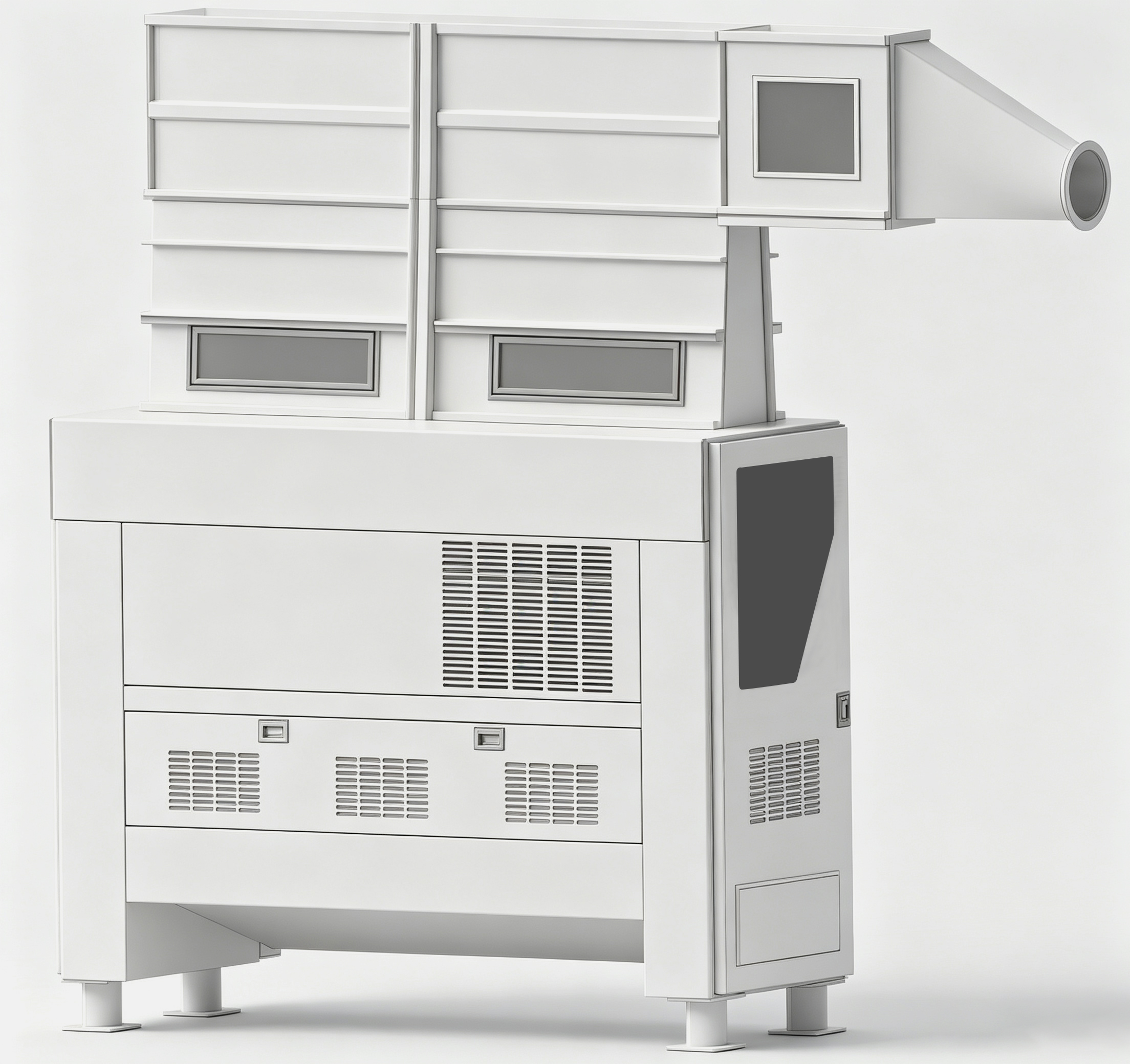
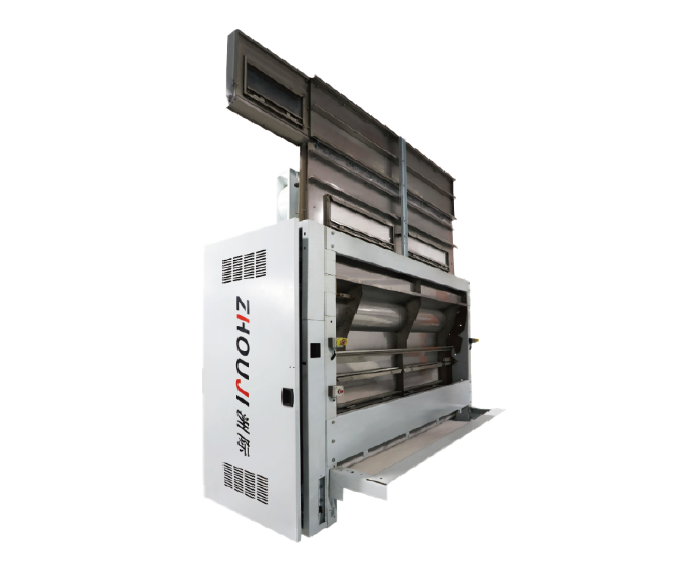
Pneumatic Fiber/Cotton Feeder Overview
Positive-Pressure Fiber Feeding
Controlled airflow keeps fibers loose while supporting uniform delivery.
Real-Time Pressure Feedback
Stable air pressure feeds information back to the upstream fiber supply system.
Metered Fiber Supply
Variable-frequency controlled feed rollers regulate the amount of fiber delivered.
Key Features
Variable-Frequency Feed Rollers
Feed rollers are controlled by a frequency inverter to adjust fiber delivery.
Stable Air Pressure
Controlled pressure supports steady fiber feeding and provides feedback to the upstream system.
Upper & Lower Chamber Airflow Control
Airflow is controlled through the upper and lower chambers for consistent fiber handling.
Fully Enclosed Internal Structure
The enclosed construction is designed to reduce fiber leakage during operation.
Suitable Fibers & Applications
The feeder is intended for opened and blended fibers used in nonwoven production.
Suitable Fibers
- Final suitability depends on fiber characteristics and the requirements of the downstream carding process.
Typical Applications
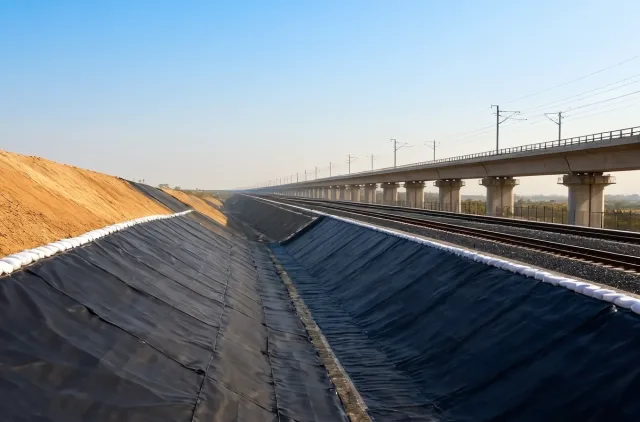
- Geotextile production
- Automotive interior nonwovens
- Filter felt
- Needle punched carpet
- Industrial needle punched nonwovens
Pneumatic Fiber/Cotton Feeder Production Process
The highlighted stage shows where the Pneumatic Fiber/Cotton Feeder is used within the nonwoven production process. The exact upstream and downstream equipment depends on the finished product and line configuration.
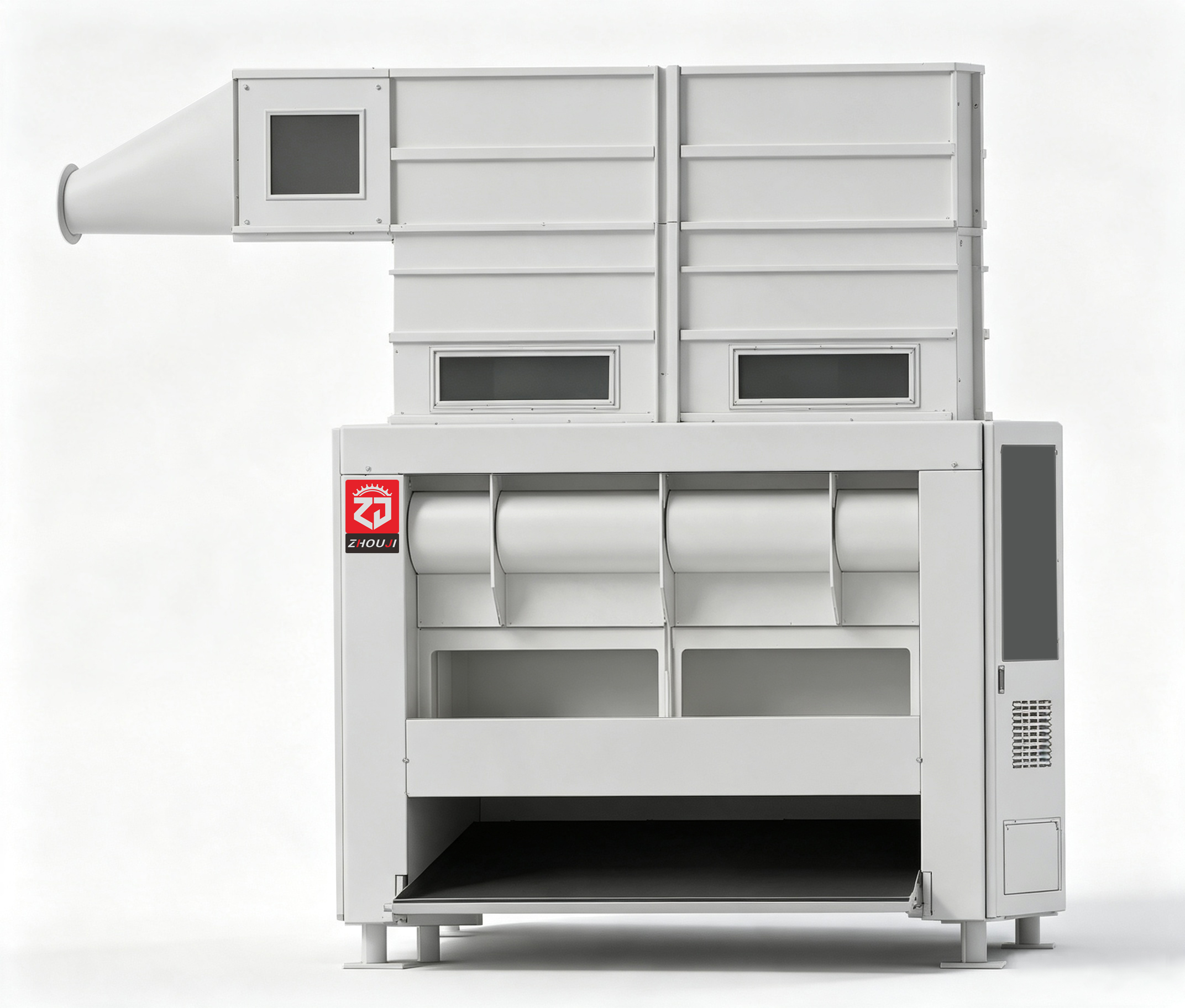
Opened fibers enter the enclosed feeding chambers, where controlled positive-pressure airflow helps keep the material loose. Feed rollers meter the fibers, while air-pressure feedback helps coordinate the upstream supply.
Technical Specifications
Specifications are based on the supplied product document. Final machine configuration should be confirmed according to the production process and product requirements.
Pneumatic Fiber/Cotton Feeder vs. Vibration Feeder
The two machines perform different functions within nonwoven production. The comparison below shows their main process differences.
Used in Complete Nonwoven Production Lines

Why Choose ZHOU JI Pneumatic Fiber/Cotton Feeder?
Stable Pneumatic Feeding
Controlled positive pressure supports a consistent fiber supply.
Upstream Feedback
Air-pressure feedback helps coordinate the preceding fiber supply equipment.
Adjustable Feed Rate
Variable-frequency feed rollers provide controllable fiber delivery.
Enclosed Fiber Handling
The internal enclosed structure helps reduce fiber leakage.
Pneumatic Fiber/Cotton Feeder FAQs
It is a nonwoven feeding machine that uses controlled positive-pressure airflow to keep fibers loose and deliver them uniformly to downstream equipment.
The machine is used for pneumatic feeding of fibrous materials; 'fiber feeder' is the broader term used here, while 'cotton feeder' is also common in industry terminology.
The specified capacity is up to 800 kg/h.
2500 mm, 3000 mm and 3750 mm.
The feed rollers use variable-frequency control, while air-pressure feedback coordinates the upstream supply system.
Send your fiber requirements and receive a practical machine proposal.
Share your fiber type, required working width and target capacity. ZHOU JI will review the process route and equipment configuration with you.