Cross Lapper for Nonwoven Production
The ZHOU JI Cross Lapper receives the carded fiber web and lays it into a stable multilayer batt. Clamped web transport and servo-controlled reciprocating motion are designed to reduce airflow disturbance during high-speed web transfer and improve layer stability.
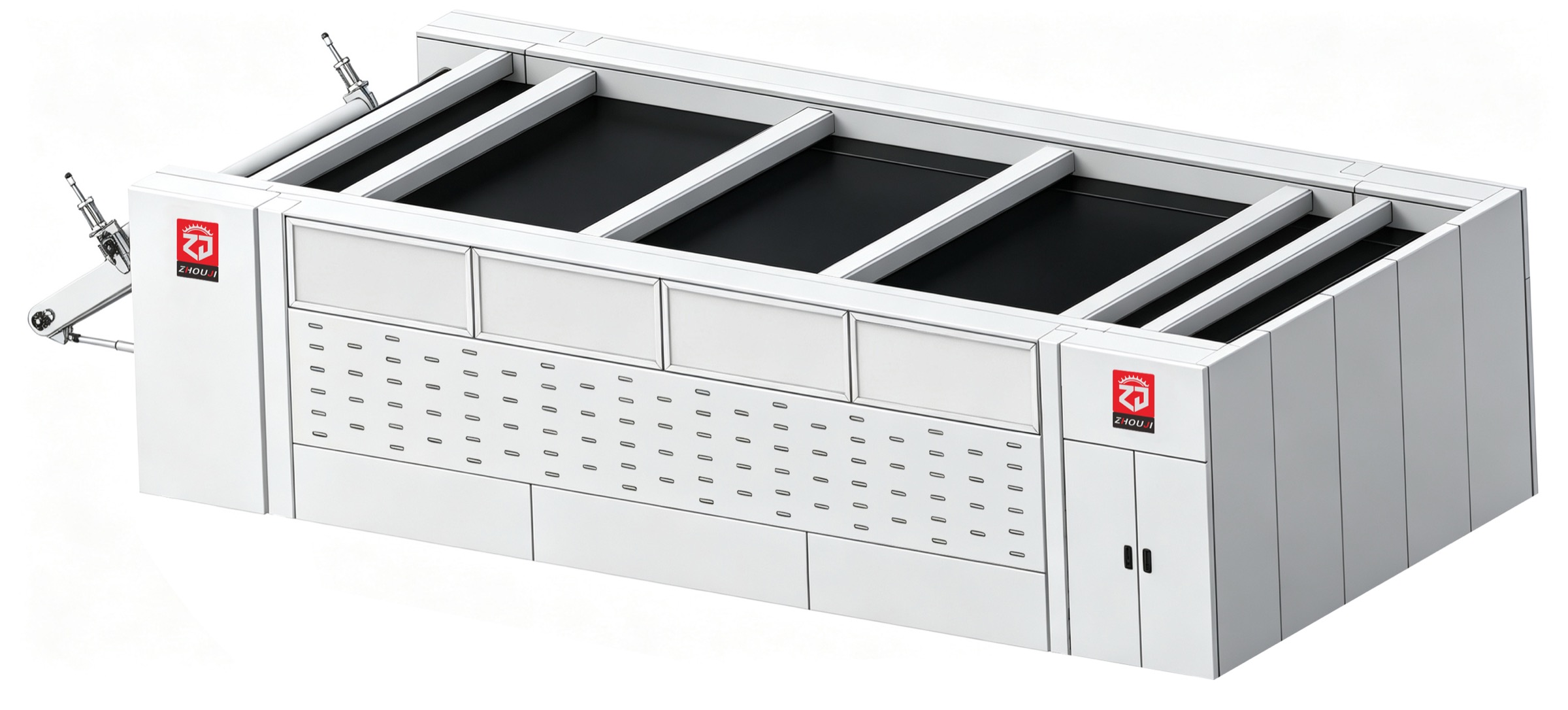
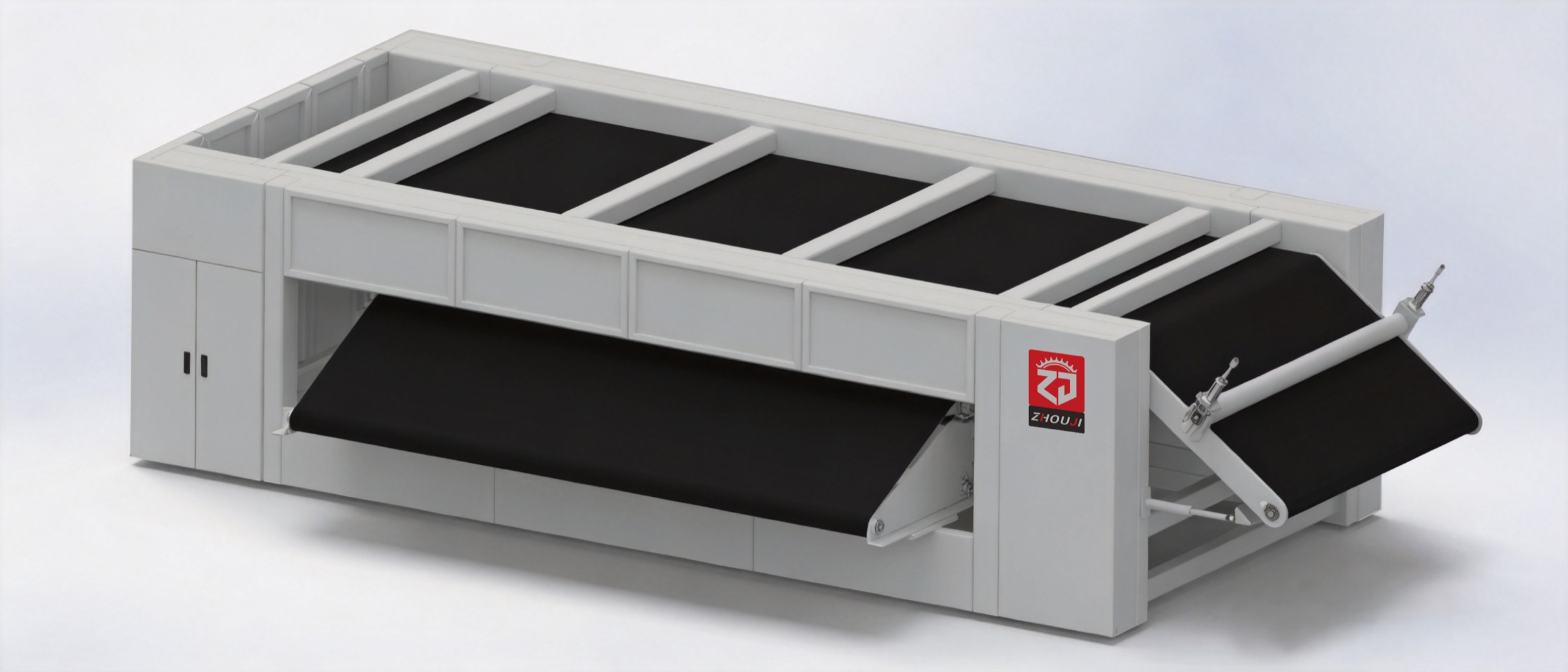
Cross Lapper Overview
Multilayer Web Formation
Converts a continuous carded web into a layered fiber batt.
Reduced Airflow Disturbance
Multi-point clamping helps control the web during high-speed transfer.
Servo-Controlled Laying
Servo motors and drives precisely control the reciprocating laying system.
Key Features
Servo Reciprocating Drive
Servo motors and drives provide precise control of the reciprocating system.
Multi-Point Web Clamping
Multiple clamping points reduce the effect of airflow on the web at higher speeds.
Laying Carriage Options
The laying carriage can use carbon, aluminum or steel rollers according to production requirements.
Stable Multilayer Formation
The machine is designed to form a uniform and stable multilayer fiber web.
Suitable Fibers & Applications
The Cross Lapper processes carded fiber webs rather than loose fiber.
Suitable Fibers
- Suitability depends on the carded web, required batt structure and downstream needle-punching process.
Typical Applications
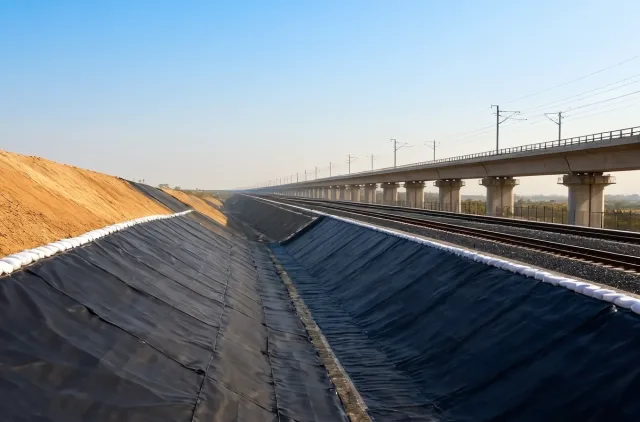
- Geotextile batt formation
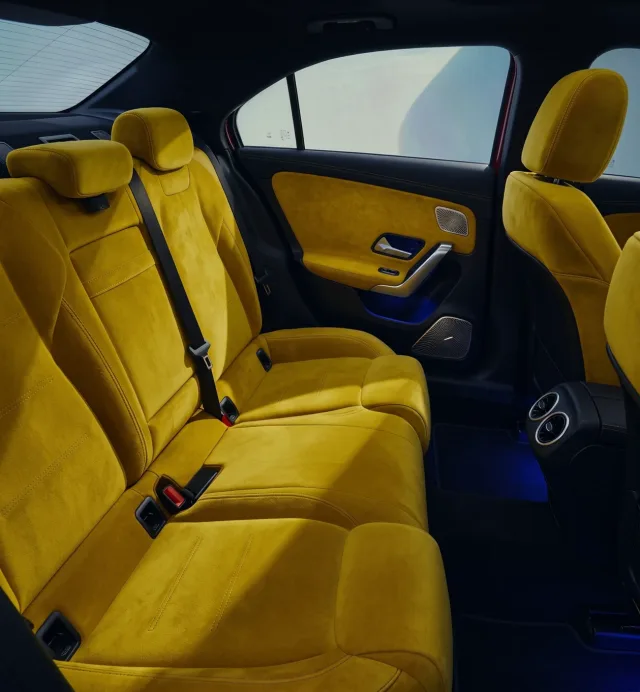
- Automotive felt and carpet
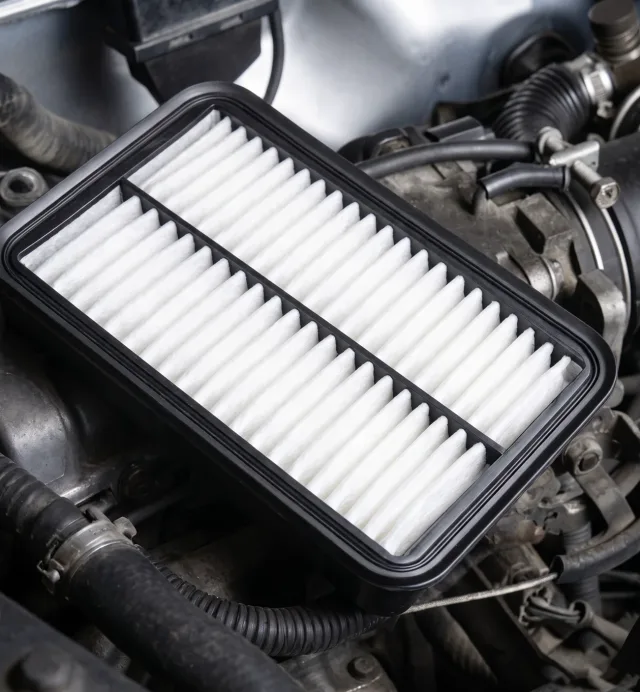
- Filter felt
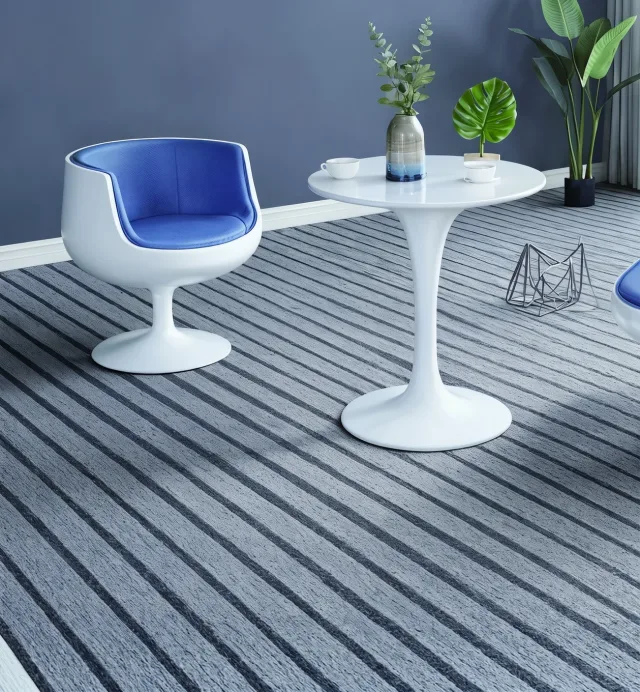
- Needle punched carpet
- Synthetic leather substrate
Cross Lapper Production Process
The highlighted stage shows where the Cross Lapper is used within the nonwoven production process. The exact upstream and downstream equipment depends on the finished product and line configuration.
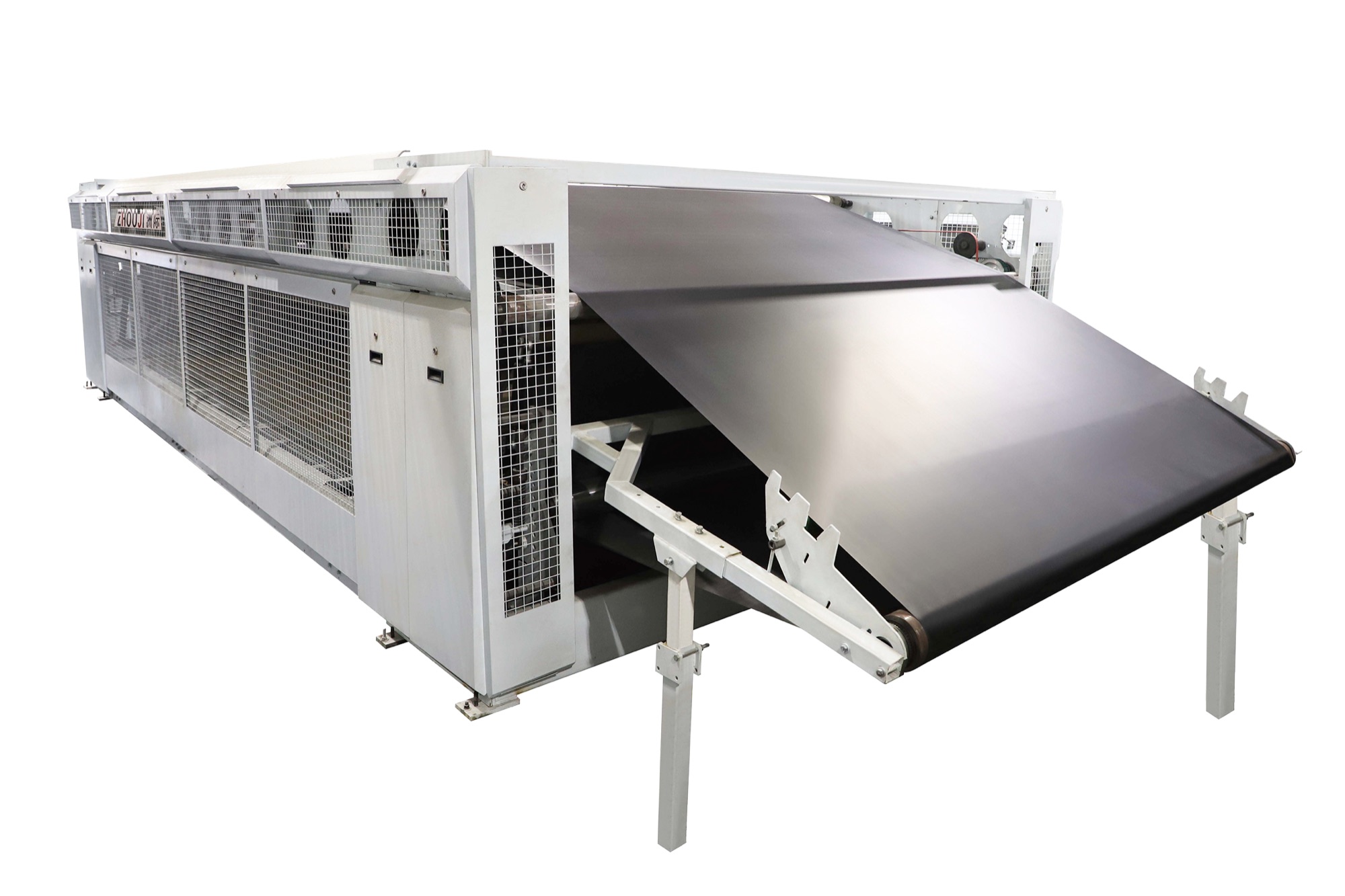
The carded web is held and transported through the machine while the laying carriage moves reciprocally. Successive layers are placed to build the required multilayer batt before it enters the batt feeder and needle-punching section.
Technical Specifications
Specifications are based on the supplied product document. Final machine configuration should be confirmed according to the production process and product requirements.
Cross Lapper vs. Carding Machine
The two machines perform different functions within nonwoven production. The comparison below shows their main process differences.
Used in Complete Nonwoven Production Lines
Why Choose ZHOU JI Cross Lapper?
Controlled Web Laying
Servo-controlled reciprocation supports precise web laying.
Reduced Airflow Effect
Multi-point clamping helps stabilize lightweight webs during transfer.
Flexible Roller Configuration
Carbon, aluminum or steel roller options can be selected.
Production Line Integration
Designed to work between carding and batt feeding in needle-punching lines.
Cross Lapper FAQs
A cross lapper is a nonwoven web-forming machine that lays a carded web back and forth to build a multilayer fiber batt.
The carding machine forms the initial continuous fiber web; the Cross Lapper receives that web and builds it into multiple layers.
Up to 110 m/min.
2500 mm, 3000 mm and 3750 mm.
A Batt Feeder typically receives the multilayer web and feeds it into the pre-needling section.
Send your web requirements and receive a practical machine proposal.
Share your carded web details, target working width, required output and project details. ZHOU JI will review the process route and equipment configuration with you.