
Automotive Interior Nonwovens Production Line
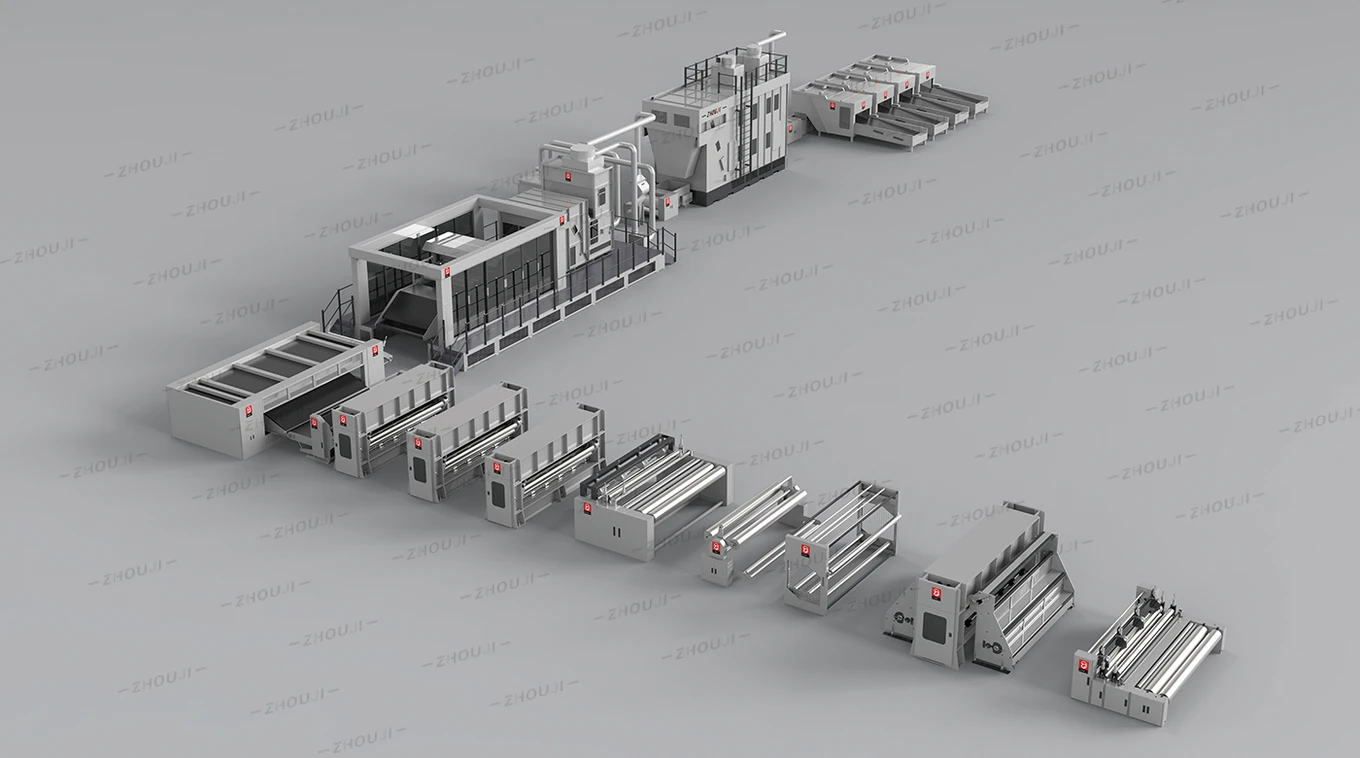
ZHOU JI provides complete automotive interior nonwoven production lines for molded carpets, needle punched automotive carpets, underfelt and acoustic interior materials. The line covers fiber opening, blending, carding, crosslapping, needle punching and optional surface finishing, configured around raw material, target GSM, working width and output. Suitable for PET, PP, PA and low-melting polyester fibers, and configurable for recycled PET.
Finished Products
The line can produce different automotive nonwovens for flooring, underfelt and acoustic applications.
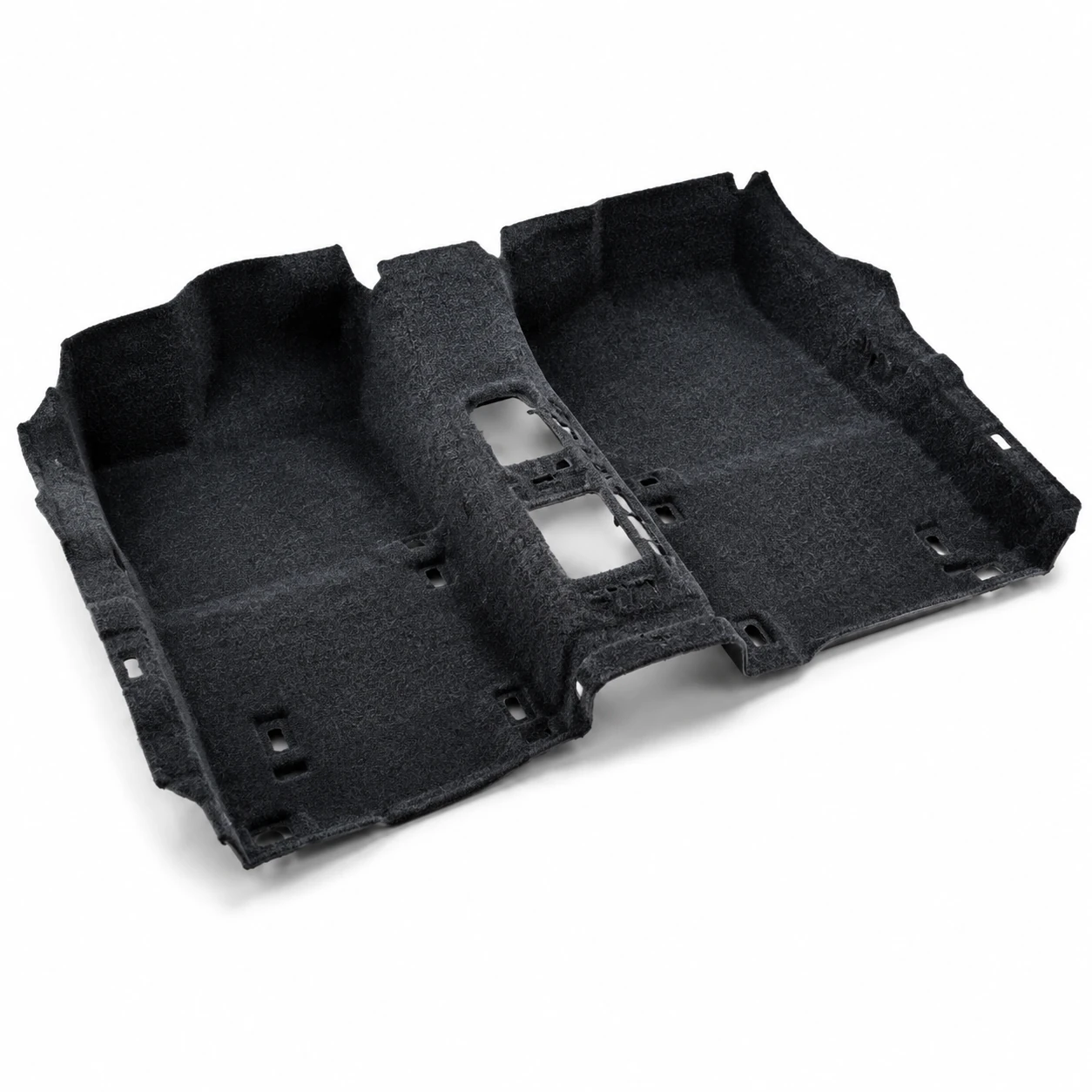
Molded Automotive Carpet
Needle punched nonwoven carpet designed for molded vehicle flooring and other shaped automotive interior components.
The material can be configured for the required weight, thickness, surface structure and forming process.
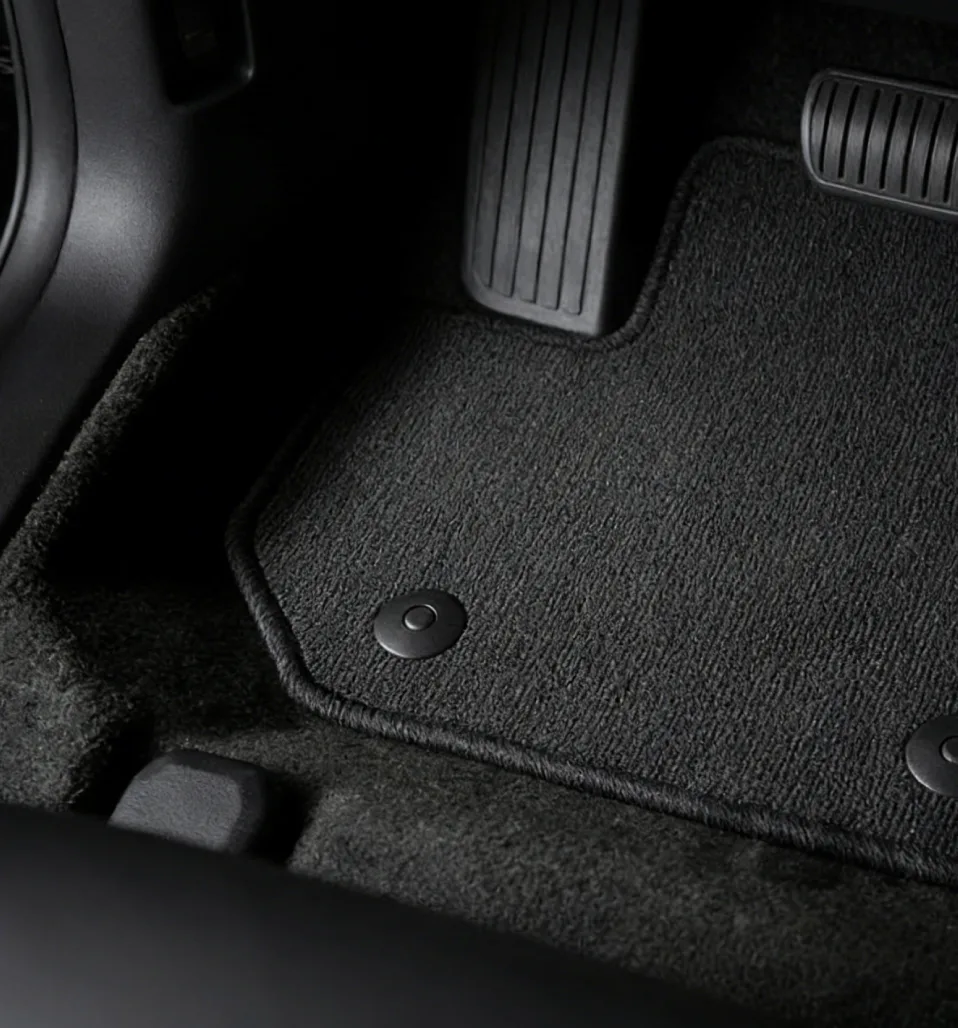
Heavy-Duty Needle Punched Carpet
Durable needle punched automotive carpet for applications requiring higher wear resistance and structural stability.
The needling process can be adjusted according to carpet density, weight and surface requirements.
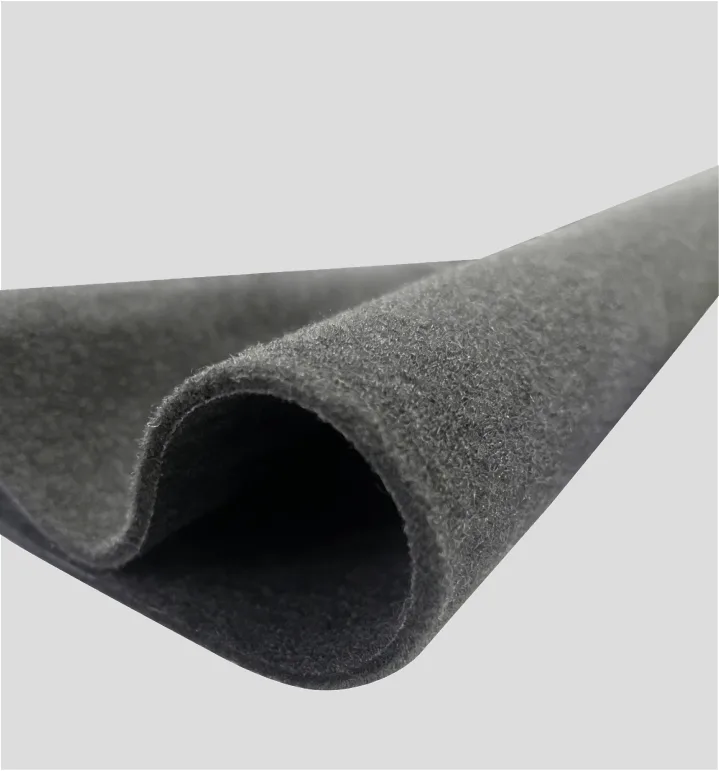
Automotive Underfelt
Needle punched underfelt used beneath automotive carpets and interior trim to provide cushioning, support and acoustic performance.
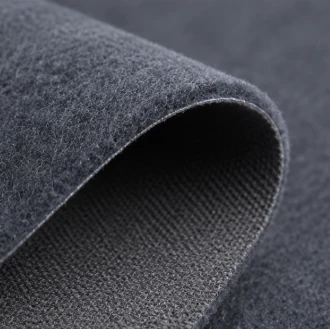
Automotive Acoustic Felt
Nonwoven acoustic material designed for vehicle interior applications where sound absorption and NVH performance are important.
Recycled PET fibers can be used where required by the product specification.
Technical specifications
Parameters are a proposal starting point.
Final specifications depend on raw material, product GSM, working width, output, surface structure and finished automotive application.
Process Route
Fiber Opening → Blending → Carding → Crosslapping → Pre / Main / Finish Needling → Optional Raising → Finishing.

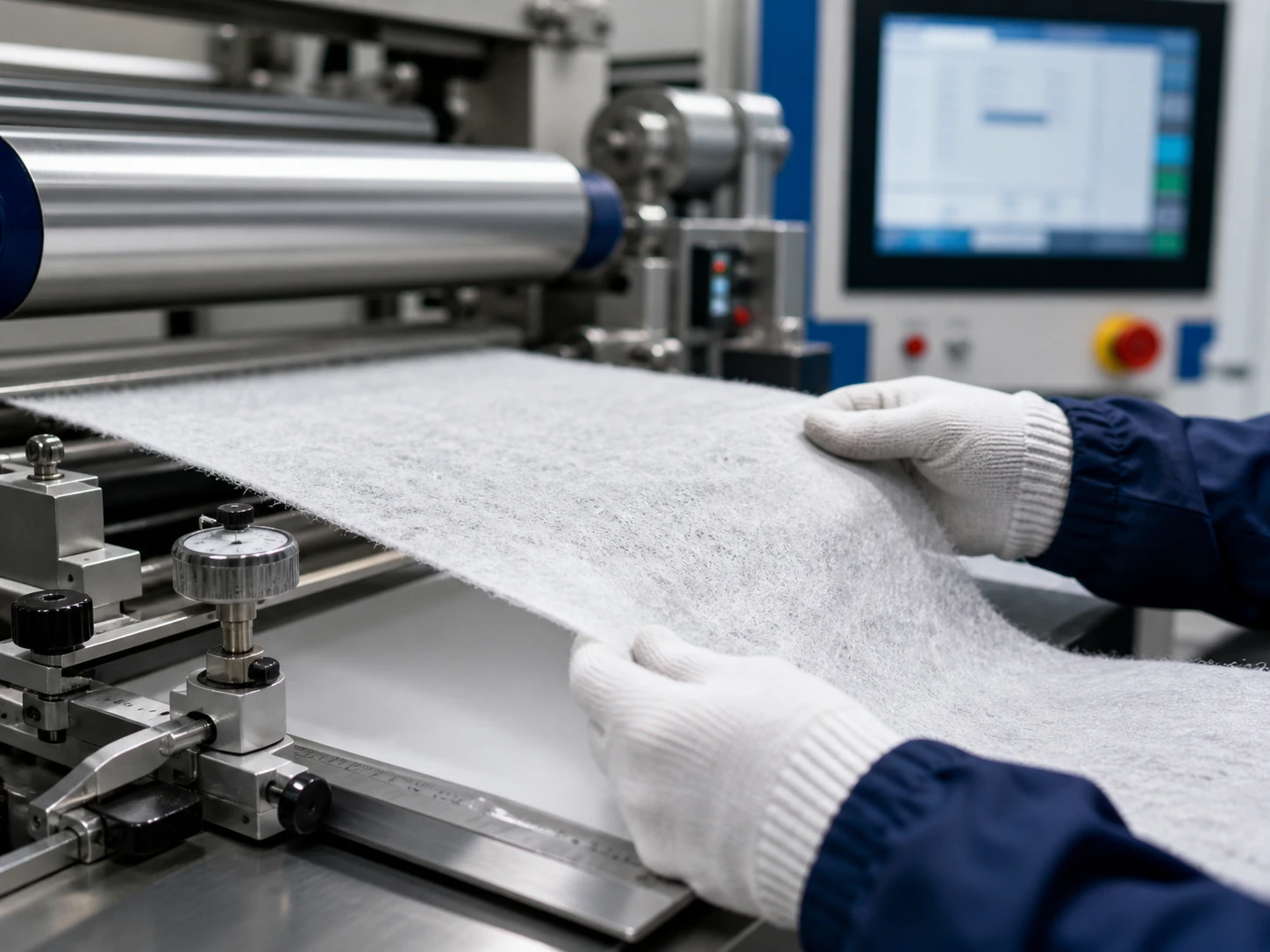
Opening & blending
PET, PP, PA, low-melting or recycled fibers are opened and evenly blended for a stable material supply.
Carding & crosslapping
The prepared fibers are carded into a uniform web and crosslapped to build the required GSM, width and thickness.
Multi-stage needle punching
Pre-needling stabilizes the web, main needling builds entanglement and strength, and finish needling refines the surface.
Raising & finishing
Optional raising creates a velour-like surface; heat setting, coating or cutting is added per finished part.
FAQ
Common questions before requesting a line proposal.
The answers below help buyers prepare the right project information before discussing equipment configuration, factory layout and delivery support.
The line can produce molded automotive carpets, heavy-duty needle punched carpets, automotive underfelt, acoustic felt and related interior materials, depending on fiber type, GSM, needling and finishing.
The line can process PET / polyester, PP / polypropylene, PA and low-melting polyester fibers. Fiber blends and recycled PET can also be configured.
Yes. The line can be configured for recycled PET fibers, depending on fiber quality, fiber length, target GSM, product structure and required capacity.
Automotive carpet is the visible or molded flooring with higher surface and wear requirements; underfelt is installed beneath and is designed around thickness, cushioning, support and acoustic requirements.
Low-melting polyester can be blended with structural fibers when thermal bonding or subsequent molding is part of the process. The blend ratio depends on the finished component.
The reference line supports working widths up to 4,200 mm and covers 200–2000 gsm, depending on the selected carding, crosslapping, needle punching and finishing equipment.
Other solutions
Explore other nonwoven production line solutions.
Every published solution appears here automatically.
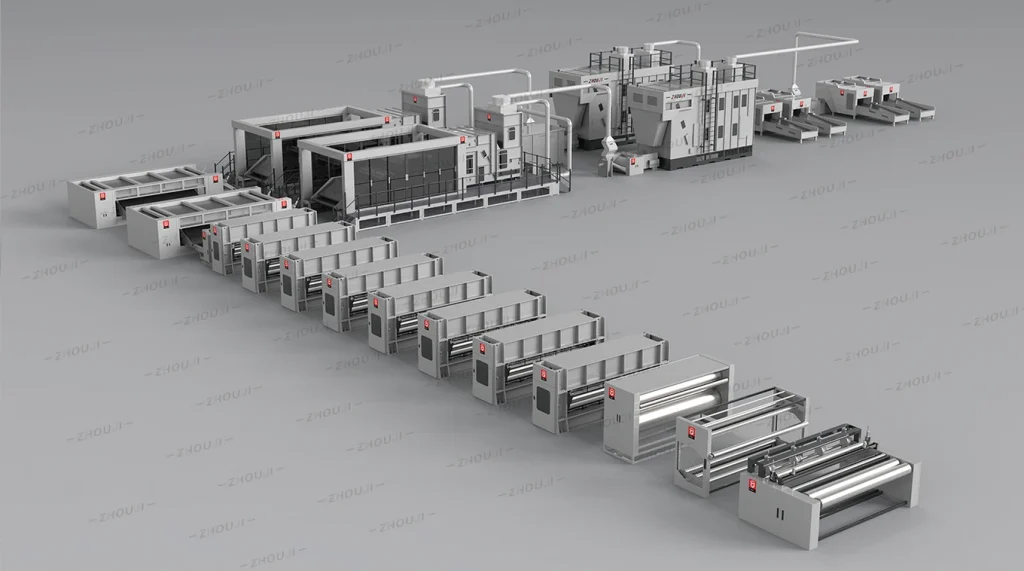
Filter Felt Needle Punching Production Line
Complete filter felt needle punching production line for PET, PP and industrial filter media — opening, carding, crosslapping, needling and winding.
View solution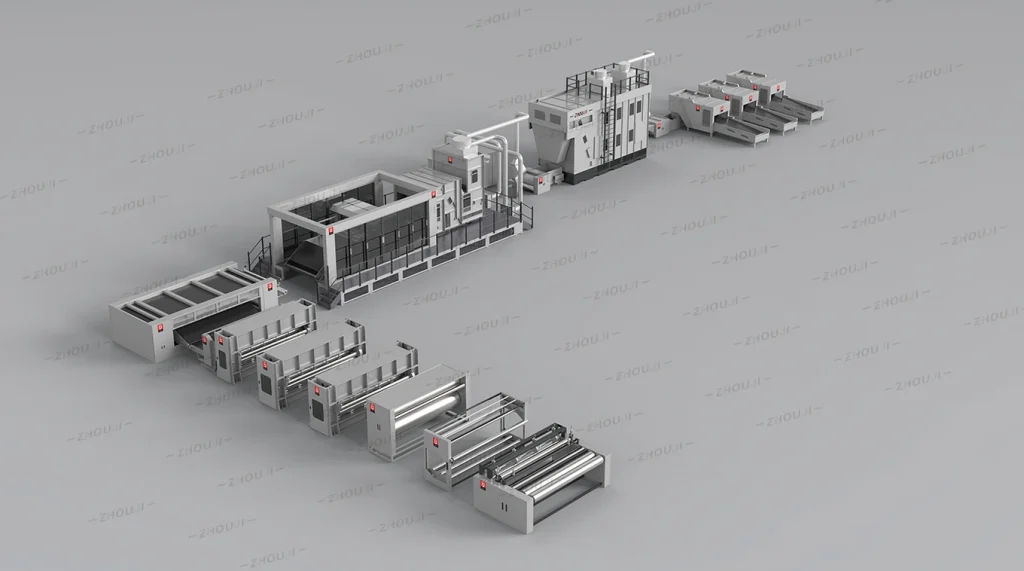
Geotextile Production Line
Complete needle punched geotextile production line for PET, PP and recycled PET — opening, carding, crosslapping, needling and winding.
View solution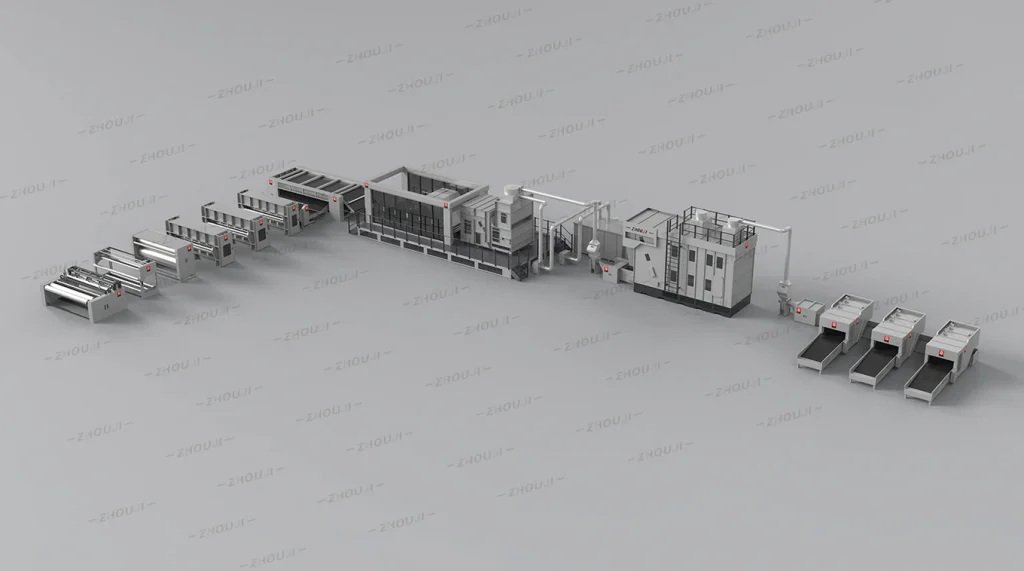
Nonwoven Carpet Production Line
Complete needle punched nonwoven carpet production line for residential, hotel, office and commercial flooring, with optional PU / PVC backing.
View solution